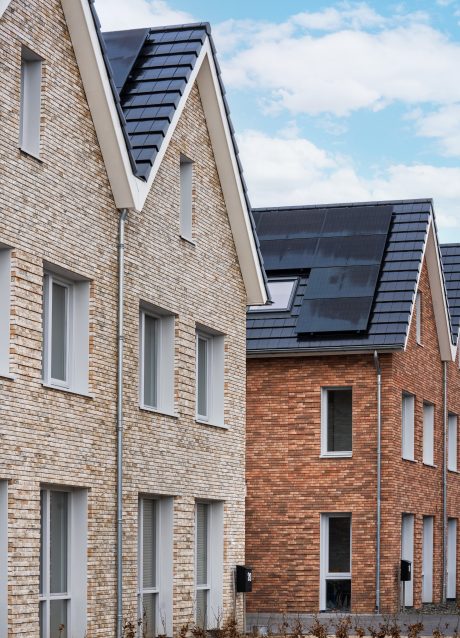
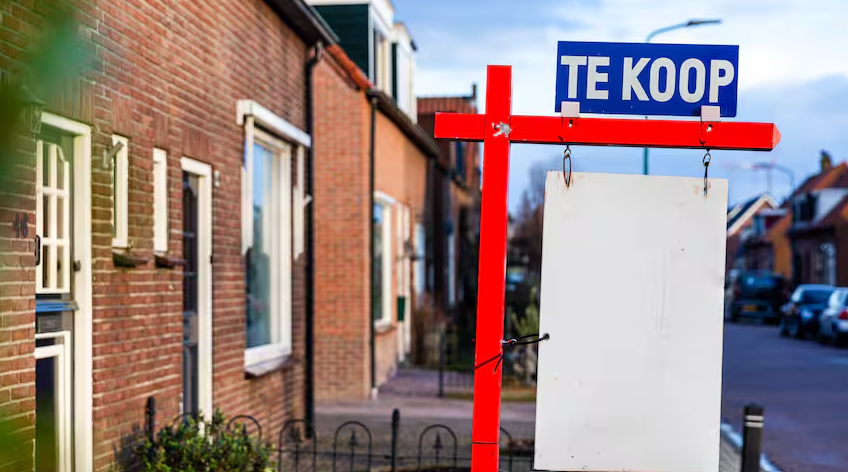
Learn how bidding on a house in the Netherlands works.
Bidding On A House In The Netherlands
Date:
Read time: 7 minutes

Bidding on a House in the Netherlands: A Complete Guide for Expats
If you’re an expat buying in the Netherlands, the bidding process may feel unfamiliar — and even stressful.
You might be thinking:
- Is bidding legally binding here?
- Can I withdraw my offer?
- Why does everyone talk about overbidding?
- Do I need mortgage approval first?
- What happens after my offer is accepted?
In this complete house bidding Netherlands guide, we walk you step by step through how bidding works, what your rights are, and how to protect yourself financially.
How Does Bidding on a House Work in the Netherlands?
In the Netherlands, most homes are sold through an offer system. After viewing the property, you submit a written offer (usually via email or an online bidding platform).
Your offer typically includes:
- The price you’re willing to pay
- The proposed transfer date
- Any conditions (for example, subject to financing)
- Whether you include a bank guarantee
In competitive markets, properties are often sold via:
- Open bidding (offers can go back and forth)
- Sealed bidding (everyone submits one final offer before a deadline)
Unlike some countries, there is usually no automatic negotiation round. The seller can choose freely.
Is Bidding Legally Binding in the Netherlands?
This is one of the most important differences for expats:
👉 A verbal agreement is not legally binding.
👉 The sale only becomes legally binding once both parties sign the purchase agreement.
After signing, the buyer has a 3-day statutory cooling-off period. During these 3 days, you can withdraw without penalty.
Can I Withdraw a Bid After Making an Offer?
Yes — until the seller formally accepts your offer, you can withdraw your bid.
Even after acceptance, you can still withdraw:
- During the 3-day cooling-off period
- If you included valid conditions (such as subject to financing)
However, once conditions expire and the contract is final, withdrawing can become costly.
What Happens After I Make an Offer on a House?
There are several possibilities:
- The seller accepts your offer.
- The seller rejects it.
- The seller makes a counteroffer.
- The seller waits for other bids.
If your offer is accepted, the next steps are:
- Drafting and signing the purchase agreement
- Arranging your mortgage
- Providing a 10% bank guarantee
- Visiting the notary for transfer
(See: Notary rules – what happens after acceptance)
How Long Does the Seller Have to Respond?
There is no fixed legal deadline unless the seller sets one.
In practice:
- Some sellers respond within hours.
- Others wait until a bidding deadline closes.
If you want clarity, you can include a response deadline in your offer (for example: valid until 17:00 tomorrow).
Can the Seller Negotiate After My Offer?
Yes. The seller can:
- Make a counteroffer
- Ask for better terms
- Negotiate on transfer date
- Ask you to remove conditions
Is Overbidding Common in the Netherlands?
In many regions, yes.
Overbidding became common during periods of housing shortages. However:
- It depends heavily on location.
- Market conditions change.
Not every property requires overbidding.
Before deciding to overbid, consider:
- The valuation risk (important for your mortgage)
- Your financial buffer
The risk of bidding without financing condition (see: Risks of bidding without financial clause)
Can I See Other Bids in a Sealed Bidding Process?
No. In a sealed bidding process you cannot see other bids. You only submit your best offer before the deadline. Some platforms provide limited transparency afterward, but this is not guaranteed.
Can the Seller Choose a Lower Bid?
Yes — and this surprises many expats.
The seller is not legally required to accept the highest bid.
They may choose a lower offer because:
- It has no financing condition
- The buyer already has mortgage pre-approval
- The transfer date is more suitable
- The buyer seems more reliable
Price is important — but certainty is often more important.
Do I Need Mortgage Pre-Approval Before Bidding?
It is not legally required — but strongly recommended.
Mortgage pre-approval gives you:
Clear insight into your borrowing capacity
Stronger negotiating power
More credibility toward the seller
(See: Mortgage pre-approval – how to get a mortgage in the Netherlands)
Can I Bid Before My Mortgage Is Approved?
Yes, but you should include a financing condition.
Without this condition, you risk:
- Losing your 10% deposit
- Paying penalties if you cannot secure financing
Many expats underestimate this risk.
What Conditions Should I Include in My Offer?
Common conditions include:
- Subject to financing
- Subject to property valuation
- Subject to technical inspection
- NHG condition (if applicable)
Each condition reduces risk — but may make your offer less attractive.
Want to increase your chances?
Read: How to Make Your Offer More Attractive
What Happens If I Cannot Get a Mortgage After Bidding?
If you included a financing clause and:
- You can prove mortgage rejection
- You meet the contractual deadlines
- Then you can dissolve the contract without penalty.
If you did not include this condition, you have to pay 10% of the purchase price as penalty.
This is why understanding the bidding process Netherlands house market is crucial before submitting an offer.
Do I Need a Buying Agent to Bid on a House?
No — but it can help.
A buying agent can:
- Advise on realistic bidding price
- Check property value
- Help structure conditions
- Negotiate strategically
- Guide you through Dutch legal procedures
For expats unfamiliar with the system, professional guidance can reduce costly mistakes.
Step-by-Step Overview: The Bidding Process Netherlands House
- View the property
- Check your mortgage capacity
- Decide on price and conditions
- Submit written offer
- Seller responds
- Sign purchase agreement
- 3-day cooling-off period
- Arrange mortgage & bank guarantee
- Visit the notary
If you are new to the Dutch housing market, you may also want to read the First-Time Buyer Guide for a complete overview.
Final Thoughts: Is Bidding in the Netherlands Risky?
Bidding on a house in the Netherlands is not inherently risky — but it requires knowledge.
As an expat, the biggest risks are:
- Misunderstanding when an agreement becomes binding
- Overbidding without financial preparation
- Removing conditions too quickly
- Underestimating valuation and mortgage timing
When done correctly, the process is clear and well regulated.
How Expats Can Prepare Financially Before Making an Offer
Before bidding:
- Arrange mortgage pre-approval
- Calculate total purchase costs
- Check your savings buffer
- Review your energy label impact
- Understand your monthly housing costs
- Preparation makes you more competitive in a fast-moving housing market.
About the author
Carla van der Linde
Buying a home in a new country can feel overwhelming. I’ve recently been there myself. As a fellow expat, I know what it’s like to deal with unfamiliar rules, new systems, and endless questions. That is exactly when I realized how passionate I am about helping fellow expats navigate through their mortgage journey. I believe … Read more